
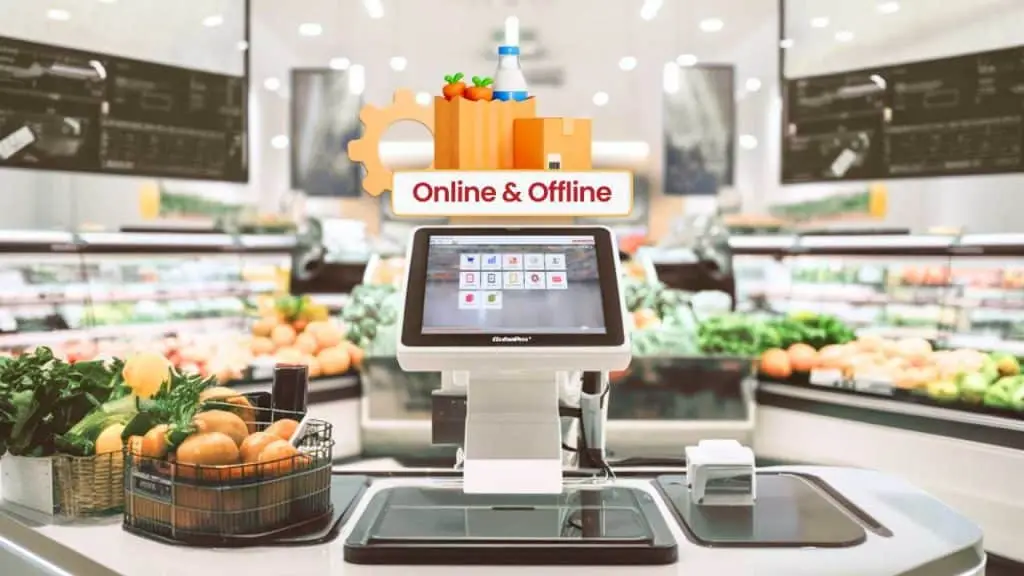
Creating a seamless shopping experience across multiple channels is crucial for modern retailers. Unified Point of Sale (POS) systems are the key to bridging the gap between online and offline sales channels. Let’s explore how these systems are revolutionizing the retail industry and enhancing the omnichannel experience.
What is Omnichannel Retail?
Omnichannel retail is all about providing a cohesive customer experience across various channels—online stores, physical shops, mobile apps, social media, and more. It’s about integrating these channels so customers can interact with your brand in multiple ways, seamlessly transitioning from one platform to another without any friction.

The Role of POS Systems in Omnichannel Retail
A unified Point of Sale (POS) system is the backbone of a successful omnichannel strategy. Here’s how it plays a crucial role:
- Inventory Management
Unified POS systems provide real-time inventory updates across all channels. Whether a customer buys online or in-store, the system adjusts inventory levels, accordingly, preventing stockouts and overstocks.
- Customer Data Integration
POS systems collect and integrate customer data from all touchpoints. This means a customer’s purchase history, preferences, and even behavior can be tracked and utilized to offer personalized experiences and recommendations.
- Streamlined Checkout Processes
Customers expect quick and efficient checkout processes. Unified POS systems allow for flexible payment options and fast transactions, whether in-store, online, or via mobile.
- Consistent Pricing and Promotions
Managing pricing and promotions across multiple channels can be challenging. Unified POS systems ensure consistency in pricing, discounts, and loyalty rewards, providing a uniform shopping experience.
- Enhanced Customer Service
With access to comprehensive customer data, sales associates can offer better assistance and personalized recommendations and resolve issues more efficiently, enhancing the overall customer service experience.
In-depth Insights into Unified POS Systems
To truly understand the transformative power of unified POS systems, let’s explore some in-depth insights:
- Omnichannel Order Fulfillment
Unified POS systems enable retailers to offer flexible order fulfillment options such as Buy Online, Pick Up In-Store (BOPIS), curbside pickup, and ship-from-store. These options not only provide convenience to customers but also help retailers optimize their inventory and reduce shipping costs.
- Real-time Analytics and Reporting
Advanced POS systems come equipped with robust analytics and reporting tools. Retailers can access real-time data on sales performance, customer behavior, and inventory levels. This information is invaluable for making informed decisions, identifying trends, and improving operational efficiency.
- Personalization and Targeted Marketing
By integrating customer data across channels, unified POS systems enable personalized marketing efforts to boost customer loyalty. Retailers can segment their audience based on purchase history, preferences, and behaviors, allowing for targeted promotions and personalized communication that drives engagement and sales.
- Loyalty Programs and Customer Retention
POS systems support sophisticated loyalty programs that reward customers for their purchases across all channels. These programs can be tailored to individual preferences, encouraging repeat business, and fostering customer loyalty.
- Mobile POS Capabilities
Modern POS systems often include mobile POS (mPOS) functionality, allowing sales associates to assist customers anywhere in the store with inventory checks, product information, and checkout. This mobility enhances the shopping experience and reduces wait times at checkout counters.
- Integration with Other Business Systems
POS systems can integrate with other critical business systems such as ERP (Enterprise Resource Planning), CRM (Customer Relationship Management), and e-commerce platforms. This e-commerce integration ensures that all aspects of the business are aligned and operating efficiently.

Benefits of Unified POS Systems
Implementing a unified Point of Sale (POS) system brings numerous benefits to retailers, including:
- Increased Sales and Customer Satisfaction
By providing a seamless shopping experience, customers are more likely to make purchases and return for future shopping, boosting sales and customer loyalty.
- Operational Efficiency
Streamlined operations reduce manual work and errors, leading to cost savings and more efficient use of resources.
- Better Decision Making
With integrated data, retailers can gain insights into sales trends, customer preferences, and inventory needs, allowing for informed decision-making and strategic planning.
- Scalability and Flexibility
As your business grows, unified POS systems can scale with you, adapting to new channels, products, and customer expectations without significant disruptions.
Challenges and Solutions
Transitioning to a unified POS system can come with challenges such as:
- System Integration
Integrating new systems with existing infrastructure can be complex. However, working with experienced providers and opting for scalable, flexible solutions can ease the process.
- Data Security
With the integration of customer data, security becomes paramount. Implementing robust security measures and complying with data protection regulations is crucial. Check out the essential security measures here.
- Staff Training
Adopting innovative technology requires staff to be adequately trained. Providing comprehensive training programs and ongoing support can help ensure a smooth transition.
Summary

Unified POS systems are transforming the retail landscape, making it possible for businesses to offer a truly omnichannel experience. By seamlessly connecting various sales channels, these systems enhance customer satisfaction, streamline operations, and drive growth. As the retail industry continues to evolve, embracing unified POS systems with robust e-commerce integration will be key to staying competitive and meeting the ever-changing demands of customers.
Ready to transform your retail operations and provide a seamless shopping experience for your customers? Contact us today to learn how our unified POS systems can help you achieve your business goals. Don’t miss the opportunity to stay ahead in the competitive retail market.
FAQs
Q1: What is a unified POS system?
A unified Point of Sale (POS) system integrates various sales channels, providing real-time inventory updates, customer data integration, and consistent pricing across online and offline platforms.
Q2: How does a unified POS system benefit retailers?
It enhances customer satisfaction, increases sales, streamlines operations, and provides valuable insights for better decision-making.
Q3: What are the challenges of implementing a unified POS system?
Challenges include system integration complexities and ensuring data security. Working with experienced providers and implementing robust security measures can mitigate these issues.
Q4: Why is omnichannel retail important?
Omnichannel retail provides a seamless shopping experience across multiple platforms, meeting customer expectations and driving brand loyalty.